
Walk through any garden center in spring, and you'll find bee hotels marketed as simple pollinator solutions—just hang one up and watch the bees arrive. But here's the truth those packages don't tell you: a bee hotel without proper habitat is like an apartment complex in a food desert. The structure matters far less than what you plant around it.
Solitary bees need more than shelter. They require a carefully orchestrated ecosystem providing food from early spring through late fall, nesting materials, and protection through vulnerable larval stages. Most DIY bee hotel projects fail not because of poor construction, but because gardeners overlook the integrated habitat approach these structures depend on.
Why Solitary Bees Deserve Your Attention
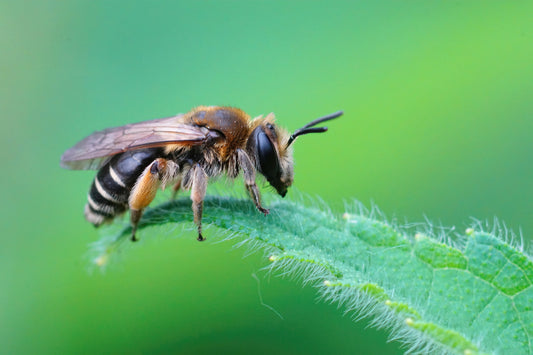
Mason bees pollinate fruit trees up to 120 times more efficiently than honeybees. Leafcutter bees work vegetable gardens while honeybees remain in their hives. Carpenter bees visit flowers other pollinators ignore entirely. These solitary species don't live in colonies, produce honey, or have a queen to protect, making them remarkably gentle around children and pets.
Habitat loss has decimated their populations. The hollow stems, beetle burrows, and undisturbed soil they once used for nesting have disappeared from manicured landscapes. A well-placed bee hotel paired with strategic plantings can reverse this decline in your backyard while dramatically improving garden productivity.
Building Your Bee Hotel: Materials That Matter
Effective bee hotels require just a few quality materials:
- Untreated wood (cedar or pine—never pressure-treated lumber)
- Bamboo tubes or hollow reeds cut to 6–8 inches
- Paper straws as an alternative
- Drill with bits ranging from 3/16 to 3/8 inches
- Wood glue and fine-grit sandpaper
The diameter of nesting holes determines which bee species you'll attract. Smaller holes (3/16 to 1/4 inch) appeal to tiny native bees. Larger openings (5/16 to 3/8 inch) accommodate mason bees and leafcutters. Drill multiple sizes spaced about 3/4 inch apart.

Construction Steps That Prevent Failures
Cut your backing board and create a shallow frame. Drill holes into solid wood to a depth of 5–6 inches, stopping before penetrating the back wall. This dead-end design is critical—bees won't use through-tunnels. Smooth every hole entrance meticulously with sandpaper. Rough edges damage delicate wings and discourage nesting.
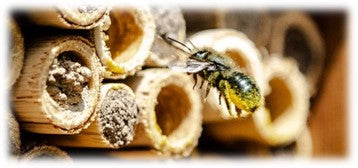
Alternatively, bundle bamboo tubes or reeds tightly within your frame. Ensure one end is sealed or plug it with clay. The closed end provides the security female bees seek when laying eggs.
Add a slanted roof with an overhang to shed rain. Moisture inside nesting tubes promotes mold that kills developing larvae.
Placement Makes or Breaks Success
Mount your bee hotel 3–5 feet above ground in a spot receiving morning sun and partial afternoon shade. Face openings southeast or east to catch early warmth that triggers bee activity. Avoid windy locations and damp, shaded areas where mold thrives.
Most critically: Position your bee hotel within 300 feet of diverse flowering plants. Solitary bees forage close to their nests and won't establish residence where food sources are scarce or require long flights.
The Native Plant Strategy: Most Bee Hotels Are Missing
This is where most DIY projects fail. A bee hotel is only as effective as the plants surrounding it. Solitary bees have evolved alongside regional native flora. While they may visit non-native ornamentals, natives provide optimal nutrition and bloom timing that matches local bee emergence patterns.
Early Spring Essentials
When mason bees and mining bees emerge in March and April, they need immediate nectar and pollen:
- Wild lupine delivers protein-rich pollen that females pack into nest cells
- Virginia bluebells offer tubular flowers perfectly sized for long-tongued species
- Serviceberry shrubs bloom early with accessible clusters
- Pasque flowers and prairie smoke thrive in sunny locations where ground-nesting bees forage
Late Spring Through Early Summer
As temperatures climb and more species emerge, plant diversity becomes critical:
- Penstemons produce tubular blooms solitary bees navigate expertly
- Wild bergamot (bee balm) draws mason bees and leafcutters with fragrant, nectar-rich flowers
- Black-eyed Susans and purple coneflowers provide flat landing platforms and abundant pollen
- Native milkweeds attract numerous solitary bee species with complex flower clusters
Summer Through Fall Extensions
Late-season bloomers are crucial for species that nest into September:
- Goldenrod produces rich pollen when other sources decline (not responsible for allergies—that's ragweed)
- Native asters bloom in purple, blue, and white, offering critical nutrition for final nesting efforts
- Blazing star sends up dramatic purple spikes leafcutter bees favor
- Native sunflowers like Maximilian sunflower produce copious pollen into fall
Herbs and Groundcover
Let culinary herbs flower instead of cutting them back. Oregano, thyme, and sage produce tiny blooms small-bodied solitary bees work intensively. Wild strawberry creates flowering groundcover in spring. Creeping phlox carpets sunny areas with early blooms. Sedum varieties offer late summer and fall nectar when little else blooms.

Planting for Continuous Bloom
Aim for at least three native species flowering during each season from early spring through fall. Plant in drifts or clusters rather than scattering single specimens. Bees forage more efficiently when they can work multiple flowers of the same species without extensive flight. This clustering also signals abundant food sources near your bee hotel.
Choose flower shapes strategically. Tubular blooms serve long-tongued bees, flat platforms accommodate smaller species, and clustered flowers provide efficiency for all types. Avoid double-flowered or highly hybridized cultivars that sacrifice pollen and nectar for showy petals.
The Winter Strategy That Determines Next Year's Success
Here's what separates successful pollinator gardens from decorative ones: leaving structural "messiness" through winter. When neighbors start cutting everything back in autumn, resist the urge. Those standing plant stems aren't just aesthetics—they're supplemental housing for cavity-nesting bees.
Leave perennials standing at least 12–15 inches high through winter. Hollow stems of bee balm, Joe-Pye weed, and cup plant become natural nesting sites. When you cut back in early spring, bundle those stems and position them near your bee hotel. These bundles provide additional housing options different bee species prefer.
Leave ornamental grasses standing to shelter overwintering beneficial insects while seed heads feed birds. A 4-inch leaf layer in planting beds insulates ground-nesting bees—nearly 70% of native bee species nest in soil, not above-ground cavities. These ground nesters need undisturbed areas with leaf cover and exposed soil patches for digging.
Maintenance That Supports Bee Health
In the fall, seal tubes in your bee hotel. The mud plugs from mason bees or neat leaf circles from leafcutters indicate successful nesting. Leave these completely undisturbed through winter. Developing larvae inside are in diapause, vulnerable to temperature fluctuations if disturbed.
In early spring, before bees emerge (typically when temperatures consistently reach 55°F), clean empty tubes and replace damaged materials. Remove the previous year's bamboo tubes or paper straws and install fresh ones. Reusing old materials increases disease and parasite transmission. This annual refresh keeps your bee hotel hygienic and attractive to new residents.
Regional Adaptation for Local Success
Native plant selection varies dramatically by region:
- West Coast: California poppies, native lupines, sagebrush, manzanita
- Midwest: Prairie dropseed, wild indigo, coreopsis, rattlesnake master
- East: Joe-Pye weed, mountain mint, New England asters, buttonbush
- South: Coral honeysuckle, southern blazing star, lanceleaf coreopsis, crossvine
Visit local native plant societies, university extension offices, or native plant nurseries for specific recommendations. These resources help you match selections to your USDA zone, soil type, and moisture conditions.
The Complete Pollinator Habitat Approach
Beyond your bee hotel and native plantings, a few additional elements create truly supportive environments:
Provide shallow water sources—a dish filled with pebbles or marbles allows bees to drink without drowning. Position these near plantings where bees naturally forage.
Eliminate pesticides entirely, including organic options. Even naturally derived insecticides kill beneficial insects indiscriminately. If pest problems arise, use targeted physical controls like row covers or hand removal.
Create intentionally "messy" zones—areas with bare soil patches for ground-nesters, leaf litter for overwintering insects, and brush piles from pruned branches. These spaces complement your bee hotel by supporting the full diversity of native bees.

Why This Approach Transforms Gardens
Building a bee hotel paired with strategic native plantings isn't just a weekend project—it's an investment in ecological function that compounds over time. First-year residents attract more bees through pheromone trails. As native plants mature and bloom more prolifically, bee diversity increases. Within two to three seasons, you'll notice dramatically improved fruit set on vegetables, better seed production on flowers, and mason bees working your garden on chilly spring mornings when honeybees remain dormant.
This approach requires rethinking traditional garden aesthetics. The tidiest gardens aren't the most productive for pollinators. Success means embracing standing stems through winter, tolerating bare soil, and valuing ecological function over manicured appearance. For gardeners, beekeepers, and pollinator advocates willing to make this shift, the rewards are substantial—healthier plants, increased yields, and the knowledge that your landscape actively supports species essential to our food system and wild ecosystems.
Start with high-quality bee hotels, nesting materials, and native-plant-friendly supplies designed for solitary bees.
Shop the Camas Pollinator Supply Co. Amazon Store →