

Every fall, gardeners strip their yards down to bare ground. Rakes, leaf blowers, pruners — the whole operation. By November, the beds are tidy, the stems are gone, and the leaves are bagged at the curb.
And every spring, they wonder why their pollinator numbers are down.
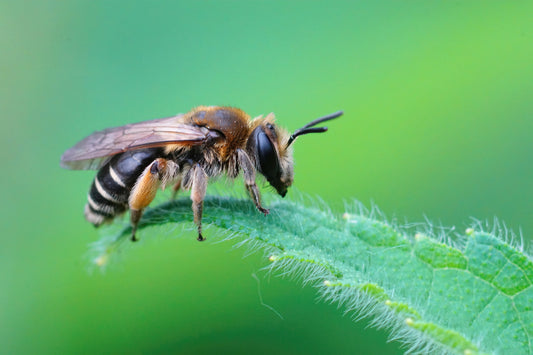
Here's what's happening: that "debris" you removed was where next spring's bees, butterflies, and beneficial insects were trying to spend the winter. The Xerces Society for Invertebrate Conservation has been documenting this for years. Most native bees are solitary ground-nesters. They don't live in hives. They dig small burrows — about six millimeters wide — in bare soil and loose ground. Those holes in your lawn? That's a bee nursery. Rake it away, and the bees go with it.
The hollow and pithy stems you cut down in October? Carpenter bees overwinter in last year's raspberry canes. Smaller native bees use bee balm stems, rose canes, milkweed stalks, Joe Pye weed, and native asters. These aren't just sleeping quarters. Bees lay eggs in those stems in fall, and the larvae feed on stored pollen inside them through spring. Cut the stems in October, and you cut the generation.
Dead leaves do the same job. Many of the butterflies and moths in your region don't migrate. They stay through winter, tucked into leaf litter, under loose bark, and inside hollow stems. Bag those leaves, and you're removing their shelter.

What to Actually Leave Alone This Fall
Leave the natives standing, and leave the leaves where they fall in garden beds.
Leave these alone through winter:
- Native perennials with hollow or pithy stems: coneflowers, asters, bee balm, goldenrod, milkweed, Joe Pye weed
- Dead flower heads and seed stalks (overwintering birds eat from these all winter)
- Leaf litter in planting beds and naturalized areas
- Woody debris: logs, stumps, brush piles
- Ground-nesting bee mounds — the small sandy patches with circular holes in your lawn

You can tidy these:
- Diseased or pest-infested plants (bag these, don't compost them)
- Leaves blocking storm drains or gutters
- Leaf layers so thick they'll smother low-growing perennials underneath
Smarter compromises if bare ground bothers you:
- Mow leaves on the lawn instead of raking — it adds organic matter back to the soil
- Rake lawn leaves into garden beds rather than bagging them
- Store extra leaves in a bin and use them to balance your compost through winter
- Wait until spring to cut back stems, and cut to 8-24 inches from the ground rather than removing them entirely — the overwintering insects will have already emerged by then
Why This Is Also Better for You
Leaving your garden alone in fall isn't just about the insects. It's less work, and it produces a better garden.
A thick layer of leaves suppresses weeds through winter without any effort from you. As it breaks down, it feeds your soil. Leaf litter attracts lady beetles, which show up in spring and start eating aphids before you even notice there's a problem.
If you're growing milkweed or other native perennials from seed, fall is actually the best time to sow them. Seeds that go in the ground now go through cold stratification over winter. That's the natural process where cool, moist conditions break seed dormancy. Seeds started this way germinate more reliably in spring than seeds started indoors in February.
Letting herbs and vegetables go to flower before you pull them gives pollinators extra forage in fall, when food sources start getting scarce. If you have the space, a small pile of bundled twigs left in a dry, sunny corner creates ready-made nesting habitat for cavity-nesting bees.
Less raking. More bees. The math works.
When the Neighbors Say Something
If someone in your neighborhood gives you a look about your "messy" yard, here's the honest answer: you're not being lazy. You're letting the ecosystem do what it does when humans get out of the way.
The leaves break down into compost. The stems shelter the bees that will pollinate your garden come May. The bare ground stays available for the ground-nesters. A yard that looks a little rough in December is doing a lot of work.
Most people, when they understand what's actually happening under those leaves, want to leave them alone too. Share what you've learned. Your neighbors' yards are habitat too.

What Are You Leaving Untouched This Winter?
Drop it in the comments. A patch of standing stems, a corner of leaf litter, a bee burrow you spotted and decided to protect — we want to hear what you're doing.
If you're planning your spring pollinator garden over winter, we carry milkweed seeds, wildflower mixes, and mason bee houses in our Amazon store. Good time to get set up before the spring rush.