


Most gardening advice tells you to deadhead spent blooms to keep plants producing more flowers. And for some plants in some situations, that is exactly right. But if you are cutting back every spent bloom in your pollinator garden, you are taking away a food source that birds and native insects rely on from fall all the way through early spring.
Knowing what to cut and what to leave alone is one of the more useful changes you can make without buying anything or adding work to your season.
What Deadheading Does and When It Makes Sense
When you remove a spent flower before it forms a seed, the plant sends energy back into making more blooms. For annuals you want flowering into fall, and for certain perennials where a second flush of color is possible, deadheading makes sense.
But native wildflowers did not evolve with someone keeping them tidy. Their seed heads are part of a longer cycle than just bloom season. The seeds that form after flowering are food. The standing stems are shelter. Cutting them off interrupts something the garden was already doing on its own.
The Plants Worth Leaving Alone
Coneflowers (Echinacea species) are the clearest example. After bloom, the seed heads that form are a food source that American goldfinches actively seek out in late summer and fall. If you deadhead coneflowers in August, you are cutting off a food source those birds come back looking for.
Black-eyed Susans (Rudbeckia hirta) are another one to leave standing. Their seeds are eaten by chickadees, juncos, and other small birds that stay in the garden through colder months.
Sunflowers, native asters, and prairie grasses do the same thing. Their seed heads carry food through fall and into winter for birds that have fewer options as temperatures drop.

How Seeds Falling Naturally Fill Your Garden Over Time
When native wildflower seeds are left on the plant through fall, two things happen. Birds eat a portion of them. The rest drop to the soil below.
Some of those dropped seeds will germinate where they land the following spring. This is how native plants spread on their own over time, filling bare patches and expanding coverage without you doing the sowing.
It will not work in every yard, and not every species self-sows reliably in every climate. But in an established pollinator planting, letting seeds fall is a low-effort way to get more plants over time without additional cost.
How to Harvest Seeds If You Want to Spread Them Yourself
If a seed head is mature and dry and you want to save it before it drops, that is the right time to harvest. Clip the seed heads into a paper bag, let them dry for a week or two in a cool spot, and store the seeds in a labeled paper envelope.
Native wildflower seeds stored this way can be sown in your own garden the following fall, shared with neighbors, or used to start new planting areas.
Use paper bags and envelopes rather than plastic. Plastic traps moisture, and moisture before sowing time can cause seeds to rot or start germinating too early.
The Best Time to Cut Back Native Plants in Fall
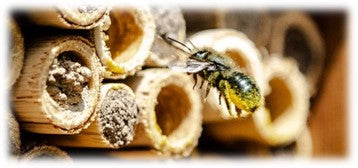
If you want to tidy the garden in autumn, late winter is better timing than early fall for most native plants. The Xerces Society for Invertebrate Conservation notes that many native bee species overwinter in hollow plant stems and dried seed heads. Cutting everything to the ground in October removes the shelter those insects already moved into once temperatures dropped.

Penn State Extension recommends leaving standing plant material through winter and cutting back in late March or early April, once nighttime temperatures are consistently staying above freezing. By that point, the insects overwintering in those stems have emerged.
If waiting that long is not practical, consider cutting back in sections rather than all at once. Some standing habitat is better than none.
When you are ready to add more native wildflowers to your planting, here is a link where you can view our current flower seed products. CAMAS POLLINATOR SUPPLY: Amazon Store Link
We are on a mission to create more pollinator-friendly gardens, and that mission includes thinking past bloom season. Leaving your seed heads standing through fall and into winter is one of the smaller changes that makes a real difference for the birds and insects working your garden.
Drop a comment and tell us which plants you are keeping this year. We love hearing what everyone is doing.